.png)


What to Do If Your Hair Is Damaged
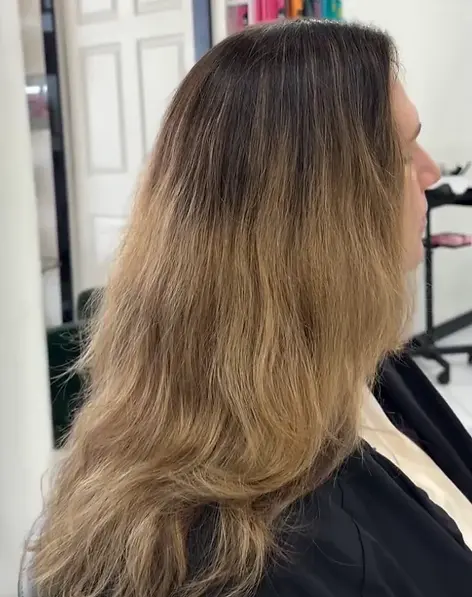
If you’ve realized your hair is damaged and not just dry, you’re not alone. Most of the clients we see in Houston, Sugar Land, and Missouri City arrive at this point after weeks (or months) of trying to “fix it” themselves.
They’ve switched shampoos.
They’ve tried masks, oils, and viral treatments.
And their hair still feels rough, brittle, or unpredictable.
So let’s slow things down and talk honestly about what actually helps damaged hair and what simply covers it up. If you’re not sure whether your hair is actually damaged or just dry, we break that down in Is Your Hair Damaged or Just Dry? How to Tell the Difference.
First, Let’s Set Realistic Expectations
One of the biggest misconceptions about damaged hair is the idea that it can be completely “repaired.”
Hair is not living tissue. Once it’s damaged, we can’t reverse it, but we can dramatically improve how it looks, feels, and behaves.
The goal is to:
Stop further damage
Strengthen what’s left
Improve softness and manageability
Create a healthy plan moving forward
Healthy-looking hair is absolutely achievable, even if some damage remains. It just requires the right approach.
What Actually Helps Damaged Hair
This is where we focus on proven, professional strategies, not quick fixes.
Professional Trims (Yes, Even If You’re Growing It Out)
We know trims can feel counterproductive when you’re trying to keep length. But damaged ends don’t heal: they split, travel upward, and create more breakage over time.
A strategic trim:
Removes the weakest points
Prevents splits from climbing
Helps hair feel thicker and healthier overall
This doesn’t mean a big chop. Often, a light “dusting” is enough to protect the length you’re working to keep.
Bond-Building and Repair Treatments
Bond-building treatments can be incredibly helpful when they’re used correctly.
They work by reinforcing weakened internal bonds caused by:
Bleach and lightening
Chemical services
Excessive heat
What’s important to know:
They strengthen hair.
They don’t add moisture
Overuse can actually make hair feel stiff or brittle
They work best as part of a balanced routine, not a standalone fix
This is why professional guidance matters. Not every head of damaged hair needs the same type or frequency of repair treatment.
Moisture and Strength Must Be Balanced
One of the most common mistakes we see is focusing on only moisture or only protein.
Damaged hair usually needs both, but in the right ratio.
Too much moisture: hair feels mushy or stretchy
Too much protein: hair feels hard, rough, or straw-like
Balanced routines restore softness and resilience, which is what makes hair feel healthy again.
Understanding why your hair feels damaged is just as important as treating it. We explain the most common causes in Why Your Hair Feels Damaged and What’s Really Causing It.
What Doesn’t Actually Fix Damaged Hair
This is where frustration often comes from.
“Miracle” Products and Social Media Fixes
Shine does not equal health.
Oils, serums, and masks can:
Make hair feel smoother temporarily
Reduce frizz
Improve appearance short-term
But they don’t repair structural damage. They often hide it, which makes the damage feel worse later when products wear off.
Ignoring the Cause of the Damage

If the root cause isn’t addressed, damage continues no matter how good your products are.
Common causes we see:
Overlapping color or lightener
Daily heat without protection
Aggressive brushing or tension
Skipping maintenance appointments
This is why identifying how the damage happened matters just as much as treating it.
When Cutting Is the Healthiest Option
This is the hardest conversation and one we approach gently.
Sometimes, hair reaches a point where:
Breakage is constant
Ends won’t hold moisture
Texture feels uneven no matter what you use
In these cases, cutting damaged length isn’t giving up, it’s resetting.
A thoughtful cut can:
Improve overall thickness
Restore movement
Make hair easier to style
Allow healthy growth to shine
Often, clients tell us they wish they’d done it sooner.
How Long It Takes to See Real Improvement
This part matters, because expectations shape satisfaction.
Immediately: hair may feel smoother and more manageable
4–6 weeks: breakage slows, texture improves
Several months: noticeable strength and consistency
Consistency beats intensity every time. Slow, steady care always wins with damaged hair.
Why a Professional Assessment Changes Everything
No two heads of hair are damaged in the same way.
A professional consultation looks at:
Hair history (color, lightening, heat)
Texture and density
Breakage patterns
Lifestyle and maintenance habits
Instead of guessing, we build a plan. One that protects your hair now and supports long-term health.

Final Thoughts: There Is a Healthy Way Forward
Damaged hair doesn’t mean ruined hair.
With the right balance of trimming, strengthening, moisture, and realistic care, hair can look and feel dramatically better, without panic, pressure, or constant product hopping.
If you’re unsure what your hair actually needs, a consultation gives you a clear plan based on your hair’s history, condition, and goals. We’ll talk through what’s causing the damage, what can realistically be improved, and the healthiest way forward for your hair.


Comments